

If you own or lease a commercial building in England or Wales, energy efficiency is about to become a much bigger business challenge for you.
Under the proposed Minimum Energy Efficiency Standards (MEES), many non-domestic buildings will be expected to achieve an Energy Performance Certificate (EPC) rating of at least B by 2031.
While this proposed legislation is still being finalised by government, the direction of travel is clear. Businesses that prepare early will have far more options than those that wait.
In this article, we explain:
- What EPC Level B means for commercial buildings
- Who the 2031 requirement affects
- Why energy generation now plays a bigger role in EPC scores
- How solar PV and battery storage can support compliance and commercial resilience.
What is EPC Level B and why does it matter?
An Energy Performance Certificate (EPC) rates a building’s energy efficiency from A (most efficient) to G (least efficient).
For commercial property, EPCs influence far more than compliance:
- Whether a building can be legally let
- Its attractiveness to tenants
- Operating costs and long-term asset value.
Under current MEES rules, commercial buildings must already meet a minimum EPC rating of E to be let. The new proposal states that from 2031, all private rented buildings over 1,000 square metres in England and Wales will need to reach a higher standard of energy efficiency of EPC B, where cost-effective.
Initially, the government raised the minimum EPC standard for commercial properties from E to C by 2027. This has now been dropped entirely to give landlords and tenants more time to improve the efficiency of their buildings in a way that suits their buildings and lease agreements
Does the EPC B requirement apply across the whole of the UK?
No - and this is an important distinction.
The proposed EPC B by 2031 requirement applies to commercial rented property in England and Wales.
Scotland has a devolved energy efficiency framework with different regulations and timelines.
Northern Ireland operates under its own EPC legislation.
If your business operates across multiple regions, it’s essential to understand which rules apply to which buildings.
Who needs to pay attention now?
This isn’t just a “landlord problem”. EPC changes affect all private rented buildings over 1,000 square metres including:
- Commercial landlords
- Businesses that lease offices, warehouses, factories or retail space
- Asset managers and estates teams
- Finance and operations leaders concerned about long‑term risk.
Even if you don’t own your building, EPC performance can influence lease negotiations, service charges, upgrade responsibilities and long‑term occupancy decisions.
Why EPC upgrades are changing
Traditionally, EPC improvements focused on:
- Insulation
- Lighting upgrades
- Heating and ventilation systems.
These still matter - and in many cases they remain the biggest drivers of EPC performance. EPC ratings are heavily influenced by building fabric, HVAC systems, lighting efficiency and controls.
However, how a building uses and generates energy is now increasingly important. That’s where on‑site renewable energy comes in.
Solar PV and battery storage don’t just reduce bills and carbon emissions - when combined with fabric‑first improvements, they can materially improve EPC outcomes by lowering reliance on grid electricity and reducing peak demand.
How solar energy supports EPC improvement
Installing solar PV on a commercial building can:
- Reduce imported electricity from the grid
- Lower the building’s carbon intensity
- Improve overall energy efficiency metrics used in EPC calculations
- EPC rating often improves by one band (e.g from C to B) when solar is installed.
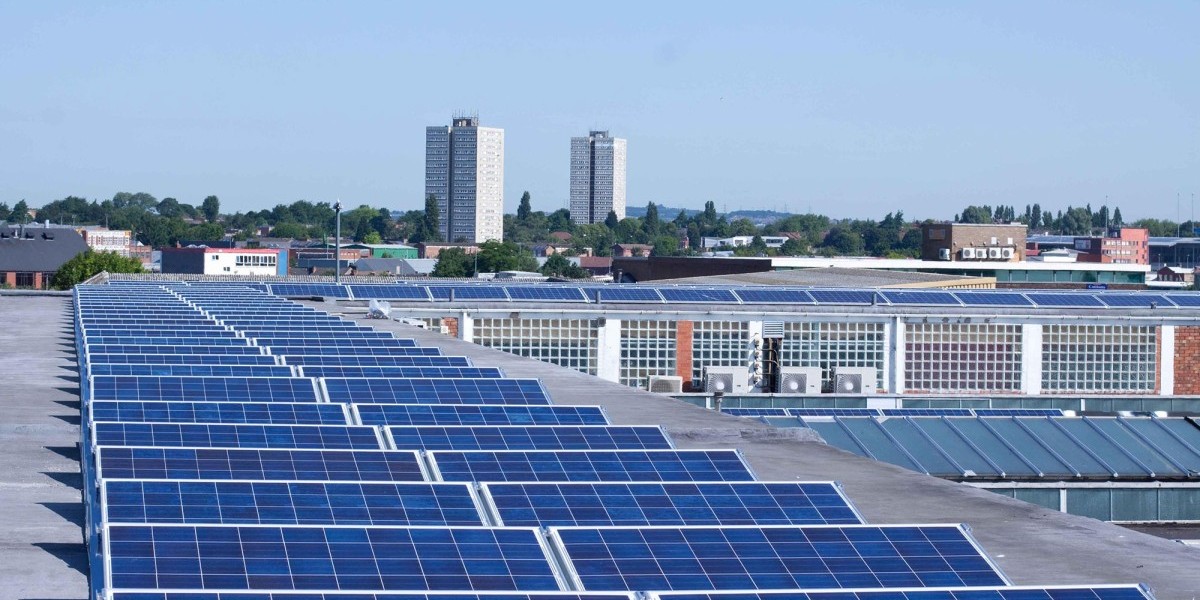
For buildings with significant roof space - such as warehouses, factories, schools and larger offices - solar is often one of the most impactful upgrades available.
It’s also scalable. Systems can be designed to support today’s needs while allowing for future expansion.
Before any solar proposal, roof suitability should be assessed. This typically includes:
- Roof condition and remaining lifespan
- Structural load capacity
- Access and maintenance considerations.
Ensuring the roof is suitable from the outset avoids unnecessary cost and disruption later.
What role does battery storage play?
Battery storage is often misunderstood as “optional.” In reality, it can be a powerful EPC and resilience tool.
Battery storage help by:
- Reducing peak electricity demand
- Smoothing energy use across the day
- Supporting higher on‑site solar utilisation.
From an EPC perspective, this creates a more efficient energy profile. From a commercial perspective, it offers greater protection against volatile energy prices and grid constraints.
Why waiting carries risk
One of the biggest mistakes businesses make is waiting for “absolute certainty” before acting. The reality is:
- Energy projects take time to plan and deliver
- Grid constraints are increasing
- Installer availability tightens as deadlines approach
Businesses that explore their options early gain flexibility. Those that wait often face higher costs and fewer viable solutions.
A smarter approach to EPC readiness
Preparing for EPC B doesn’t have to be disruptive or reactive.
The most effective strategies:
- Understand your current EPC position
- Identify the biggest improvement levers (including fabric, systems and energy generation)
- Build a phased, commercially sensible roadmap
Solar and battery storage are not silver bullets - but when integrated into a wider, fabric‑first energy strategy, they can play a decisive role in improving EPC performance and future‑proofing buildings.
Frequently asked questions (Accurate at the time of publication)
1. Will EPC B definitely be enforced in 2031?
The government has indicated that EPC B is the intended target for commercial buildings in England and Wales by 2031. The changes will formally take effect following the passage of secondary legislation through Parliament. The direction of policy is clear, and businesses are strongly advised to prepare.
2. Are there any exemptions from MEES requirements?
Yes - some buildings may qualify for exemptions under MEES, for example where improvements are not cost‑effective, technically feasible, or would negatively impact the building. Exemptions are specific and time‑limited, so professional advice is strongly recommended.
3. Does solar energy really improve EPC ratings?
Yes. Solar PV can improve EPC performance, often by one band (e.g. C to B), by reducing grid electricity consumption and lowering carbon intensity - both key factors in EPC assessments - particularly when combined with fabric and systems upgrades.
4. Do tenants need to worry about EPC compliance?
Yes. While legal responsibility often sits with landlords, EPC ratings affect lease terms, building desirability, and long‑term operational costs.
5. What are the benefits of solar to landlords?
Aside from the potential improvements in EPC rating, adding solar to a commercial property has other benefits including: Added value for your tenants who pay less for the greener energy solar provides, energy price certainty for a prolonged period, the ability to generate income from solar energy, and improved letting potential. What’s more, with HDM Energies, the equipment and installation is fully funded, there is zero upfront capital outlay for landlords.
6. Is battery storage worth considering now?
In many cases, yes. Batteries support peak demand reduction, improve energy efficiency metrics by drawing from stored energy during peak periods, and help future‑proof sites against grid and pricing pressures.
Preparing for 2031 starts now
EPC B isn’t just a compliance milestone - it’s a signal of where commercial buildings are heading.
Businesses that act early can:
- Control costs
- Protect asset value
- Strengthen resilience
- Avoid last‑minute pressure
At HDM Energies, we help organisations understand how solar and battery storage fit into a practical, EPC‑led energy strategy — balancing compliance, cost savings and long‑term performance.
Want to know where your building stands?
See how much your business could save with our Energy Calculator.


